
For most clothing brands in Guatemala, cotton is a very solid option: it is soft, breathable, and accepts screen printing, DTF, and embroidery. Polyester wins when you need sublimation or quick-drying sportswear, and blends (cotton with polyester) offer an economical and wrinkle-resistant middle ground. The right fabric depends on its use, the climate, and your printing technique. Here we compare them so you can choose wisely.
In this article
- Quick comparison
- Cotton: the king of blanks
- Polyester: sport and sublimation
- Blends: the middle ground
- Frequently asked questions

Cotton vs. polyester vs. blends: comparison
| Criterion | Cotton | Polyester | Blend |
|---|---|---|---|
| Feel | Soft and natural | More technical, smooth | Intermediate |
| Breathability | High | Medium, dries quickly | Medium |
| Best technique | DTF, screen printing, embroidery | Sublimation | DTF, screen printing |
| Wrinkles | Wrinkles more | Resistant | Resistant |
| Ideal for | Brands, streetwear, daily wear | Sports, jerseys | Budget and durability |
Cotton: the king of premium blanks
Cotton is a fabric widely chosen by brands seeking quality: soft, breathable, and with an ideal surface for screen printing, DTF, and embroidery. In the Guatemalan climate, its breathability makes it comfortable almost all year round. If you want to understand the ideal weight, read our guide on t-shirt grammage.
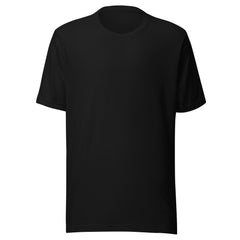
Basic cotton t-shirts in sizes S to 5XL, for brands, workshops, and entrepreneurs.
Polyester: sport and sublimation
Polyester dries quickly, resists wrinkles, and is the only fabric where sublimation sets well. This is why it dominates in sportswear, jerseys, and technical garments. Its drawback: it is less breathable and feels more synthetic than cotton. If your brand works with sublimation, check out our guide on sublimated t-shirts.
Blends: the middle ground
Blends (typically cotton with polyester, like 80/20 or 50/50) aim for the best of both worlds: more resistance to wrinkles and shrinkage than pure cotton, at a competitive cost, while maintaining good compatibility with DTF and screen printing. They are a solid option for hoodies and heavy-use garments.
Frequently asked questions
Which is better for a brand, cotton or polyester?
For most brands, cotton, due to its soft feel and compatibility with DTF, screen printing, and embroidery. Polyester is suitable for sportswear and sublimation.
Which fabric is better for the climate of Guatemala?
Cotton, due to its breathability, is comfortable almost all year round. For intense sport, polyester helps dry sweat faster.
Why is polyester necessary for sublimation?
Because sublimation ink only adheres to synthetic fibers. On cotton, the color does not integrate and washes out quickly.
Are blends suitable for printing?
Yes. Cotton and polyester blends work well with DTF and screen printing and resist wrinkles and shrinkage better than pure cotton.
Which fabric should I choose if I'm just starting my brand?
Start with cotton: it is a versatile option for t-shirts, hoodies, and sweatshirts. Check out our guide on how to choose the perfect blank.
Choose the right fabric for your brand
Blanks for brands, workshops, and entrepreneurs. The right customization technique is confirmed via WhatsApp.
View all blanks →Wholesale from 6 pieces, with mixed sizes.