Fabric weight is the weight of the fabric in grams per square meter (g/m2) and defines how thick, opaque, and durable a t-shirt feels. As a quick rule: less than 150g is lightweight (feels promotional), 150 to 180g is for everyday wear, and 180 to 220g is the premium streetwear range that isn't see-through and drapes well. Ounces are simply another way to measure the same thing (1 oz/yd2 is equivalent to about 34 g/m2). In this guide, we explain what fabric weight to choose according to your brand's use.
In this article
- What is fabric weight?
- Fabric weight and ounces: the equivalence
- What fabric weight to choose depending on use
- What fabric weight is right for your brand
- Frequently asked questions

What is the fabric weight of a t-shirt?
Fabric weight measures the weight of the fabric per square meter (g/m2 or GSM). The higher the fabric weight, the thicker, more opaque, and more structured the garment feels. It's not just a matter of "heavier is better": a very high fabric weight can make you hot, and a very low one can be see-through and lose its shape. The key is to choose the right weight for the intended use.
Fabric weight and ounces: the equivalence
In international catalogs, you will see the weight in ounces per square yard (oz/yd2). The approximate equivalence is: 1 oz/yd2 = 34 g/m2. Thus, a 5.3 oz t-shirt is around 180 g/m2, and a 6.5 oz t-shirt is around 220 g/m2. These are two ways of measuring the same thing.
What fabric weight to choose depending on use
| Fabric Weight | Approx. Ounces | Feel and Use |
|---|---|---|
| Less than 150g | ~4 oz | Lightweight, see-through, feels promotional |
| 150 to 180g | ~4.5 to 5.3 oz | Daily wear, balanced weight and comfort |
| 180 to 220g | ~5.3 to 6.5 oz | Premium, not see-through, drapes well (streetwear) |
| 280 to 350g (fleece) | ~8 to 10 oz | Sweatshirts and hoodies, warmth and body |
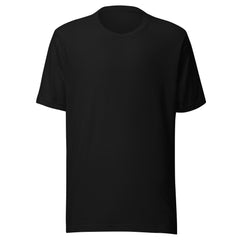
The ideal weight for premium streetwear: body, opacity, and good drape, without a promotional feel.
What fabric weight is right for your brand
For a brand that wants to appear premium, the 180 to 220g range is the safe bet for t-shirts: it communicates quality as soon as a person touches it. For sweatshirts and hoodies, look for 280 to 350g fleece so they provide warmth and hold their shape. If you are selling high-end clothing or streetwear, fabric weight is one of the details that justifies your price. Complement this with our guide on how to choose the perfect blank.
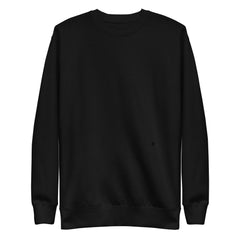
Crewneck and hoodie in heavier fleece, ideal for the Guatemalan climate and for embroidery.
Frequently asked questions
What fabric weight is good for a t-shirt?
For a premium t-shirt, 180 to 220 g/m2. It has body, is not see-through, and drapes well. Below 150g, the garment feels lightweight and promotional.
How many ounces is 180 grams?
Around 5.3 oz/yd2. The approximate equivalence is 1 oz/yd2 = 34 g/m2, so 180g is around 5.3 oz and 220g is around 6.5 oz.
Is more fabric weight always better?
Not necessarily. A very high fabric weight can make you hotter and be uncomfortable in warm weather. The ideal is to choose the weight according to the use: 180-220g for branded t-shirts, heavy fleece for sweatshirts.
What fabric weight do sweatshirts and hoodies use?
They usually range from 280 to 350 g/m2 in fleece. This weight provides warmth, body, and a firm surface ideal for embroidery and screen printing.
Does fabric weight affect printing?
Yes. An adequate fabric weight prevents transparency and provides a stable surface for the design to be flat and sharp, especially in screen printing and DTF.
Blanks with the right fabric weight
T-shirts from 180-220g and premium fleece sweatshirts, ready for your brand. From 6 units.
View all blanks →Premium quality without requiring thousands of pieces.