
A good size guide measures the garment (not the body), is published with each product, and clarifies whether the fit is regular or oversized. It's one of the simplest tools to reduce exchanges and returns for your clothing brand: when the customer knows exactly how it will fit, they buy with confidence and complain less. In this guide, we explain what measurements to include, how to present them, and why oversized items need a special note.
In this article
- Measure the garment, not the body
- Reference size chart
- The special case of oversized fits
- How to communicate sizes
- Frequently asked questions

Measure the garment, not the body
The most reliable way to communicate sizes is to provide flat garment measurements: chest width (armpit to armpit) and total length (shoulder to hem). This way, the customer can compare it to a t-shirt they already own and know how it will fit. Measuring the body creates more confusion because everyone prefers a different fit.
Reference size chart (regular t-shirt)
This is an approximate reference chart. Adjust the exact measurements to the garment you produce:
| Size | Chest Width (cm) | Total Length (cm) |
|---|---|---|
| XS | 46 | 66 |
| S | 49 | 69 |
| M | 52 | 72 |
| L | 55 | 74 |
| XL | 58 | 76 |
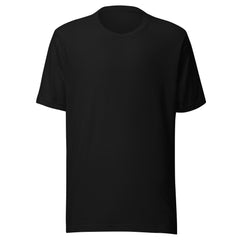
Basic cotton T-shirt in sizes S to 5XL; you can mix sizes in your order.
The special case of oversized fits
The oversized cut runs large: an oversized S is roughly equivalent to a regular M or L. If you sell oversized items, make it clear with a visible note and, if possible, a separate chart. This detail is the most effective way to prevent returns in streetwear. To understand the cut, check out our comparison of regular vs oversized t-shirts.
How to communicate sizes in your store
- Publish the guide with each product: don't hide it on a separate page.
- Use a clear image: a simple chart with chest and length in cm.
- Compare with a known garment: "measure a t-shirt that fits you well and compare."
- Clarify the fit: regular, fitted, or oversized.
If you're just starting your brand, complement this with our guide on how to choose the perfect blank.
Frequently asked questions
How do I create my brand's size guide?
Measure the garment flat (chest width and total length) for each size and create a simple chart. This is more reliable than measuring the body because the customer can compare it to clothes they already own.
What measurements should I include?
At a minimum, chest width (armpit to armpit) and total length (shoulder to hem). You can add shoulder width or sleeve length if your garment requires it.
Why do oversized items need a special note?
Because they run large: an oversized S is roughly equivalent to a regular M or L. Without this clarification, customers order their usual size and then want to exchange it.
Does a good size guide reduce returns?
Yes. It's one of the simplest and cheapest ways to reduce exchanges and returns because the customer buys knowing how the garment will fit.
What size range should I offer?
The wider, the better coverage. Our basic T-shirt ranges from S to 5XL; see each product page for the sizes of every line.
Blanks in several sizes
T-shirts, hoodies, and sweatshirts in several sizes. See each product page for the sizes of every line.
View all blanks →Tiered volume pricing, with mixed sizes allowed.